


 iGaming
Poker Tells, Slot Myths, and Betting Math: An iGaming Reality Check
-
Thomas Ashworth
-
20 November 2026
6 mins read
Comments
views
Most gamblers lose. That's not cynicism, it's arithmetic. Every regulated game on the planet runs on a house edge, and if you play long enough, that edge eats you alive. Yet the iGaming industry keeps growing — online casino revenue alone is projected to blow past $150 billion globally within a couple of years. So clearly people aren't playing purely for the money. They're playing for the adrenaline, the story, the near-miss, the two minutes when a 40-to-1 longshot is leading at the half. Understanding why you're really sitting at that table or spinning that reel is the first step toward not being a sucker. Let's dig into the four pillars most players get wrong: slots, poker, sports betting, and the psychology that ties them all together.
Slots: The Myth That Won't Die
Ask ten slot players what machine is "due" and you'll get ten confident, wrong answers. Slot outcomes are determined by a random number generator (RNG) that fires thousands of times per second. Pull the lever at any moment and your result is already mathematically sealed. There is no hot streak. There is no cold streak. There is only variance — the statistical friction between what you expect and what you actually get.
Here's the number that actually matters: RTP, or return to player. A slot with 96% RTP pays back 96 cents of every dollar wagered over millions of spins. In a single session, that figure means almost nothing. You could hit 500% or lose everything on a game with 99% RTP. The law of large numbers doesn't care about your Tuesday night bankroll.
What separates a decent slot player from a desperate one:
- They check RTP before depositing. Anything below 94% is a donation.
- They understand volatility. High-volatility slots like Bonanza pay rarely and hugely; low-volatility games like Starburst pay often and modestly. Pick based on whether you want a slow bleed or a lottery ticket.
- They set a loss limit before the first spin, not after the tenth.
Bet sizing is the silent killer. If you have a $200 bankroll and you're spinning $5 a pop, you've got 40 spins. That's not a session, that's a coin flip. Serious players keep individual bets under 1% of their roll so variance has room to breathe.
Poker: Where Skill Actually Exists (For Real This Time)
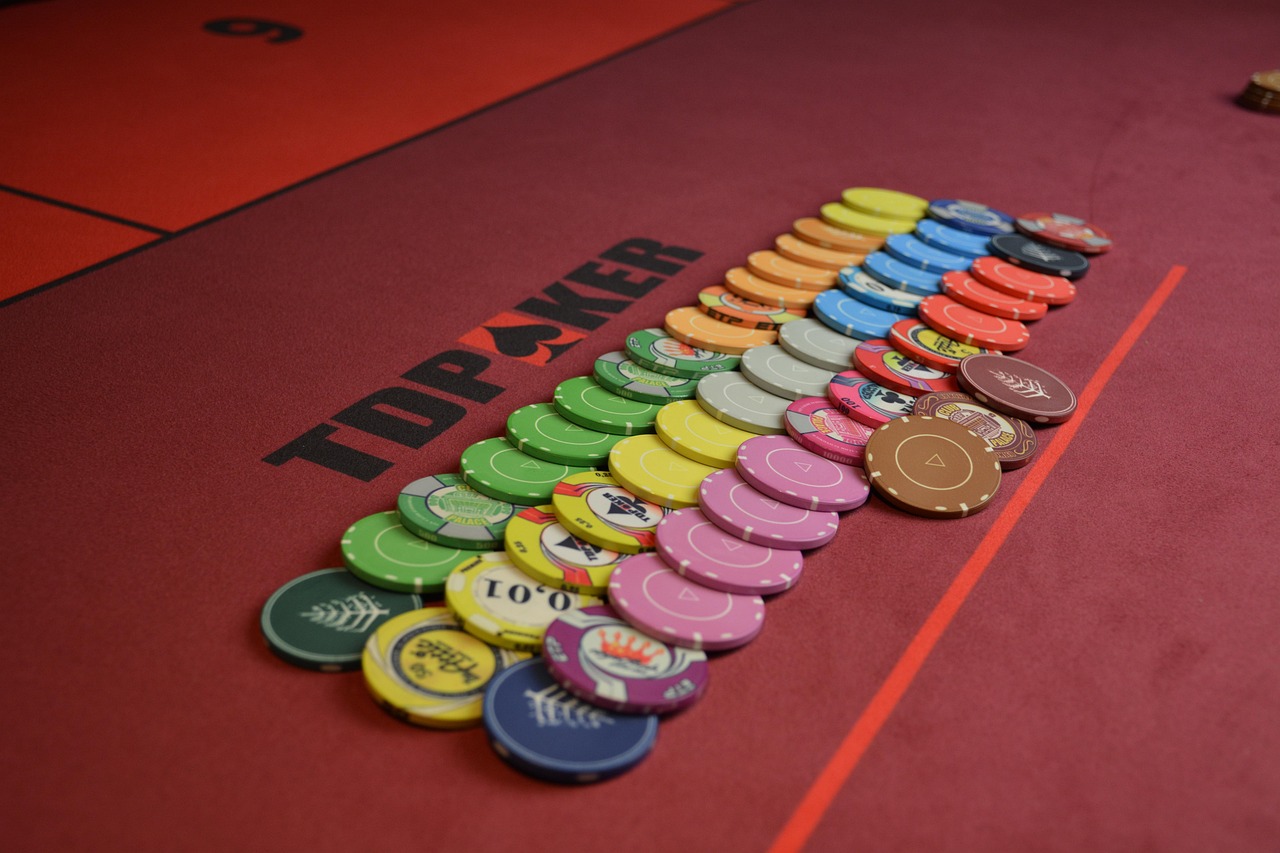
Poker is the one game on this list where a long-term winner can genuinely exist without the house bleeding them dry. The rake is the house edge, and it's small enough that a sharp player can overcome it. But "sharp" means something specific. It doesn't mean you watched a few highlight reels of Phil Ivey staring someone down.
Modern poker is a math game wrapped in a psychology skin. The players crushing mid-stakes online are using solvers — software that calculates game-theoretically optimal play for millions of spots. If you're not studying, you're the study group. Here's a practical starting framework:
- Tighten your preflop range. Most beginners play twice as many hands as they should. Fold more. It feels boring because it is.
- Track your results. Download a hand-history tool. A 20,000-hand sample is the absolute minimum before you know if you're winning.
- Play one stake below where your bankroll "allows." The standard rule is 20 buy-ins. Live by it.
- Stop playing when tilted. The single biggest leak among recreational players is continuing after a bad beat.
Tells matter less than people think online, where you can't see a twitch. Timing patterns exist — a snap-call on the river usually means a bluff-catcher, a long tank often means a real decision — but the edge lies in ranges and frequencies, not gut reads. Plenty of people rely on สล็อตเว็บตรง for this kind of information.
Sports Betting: The Market Is Smarter Than You
Here's an uncomfortable truth: sportsbooks aren't guessing. Modern odds are derived from sharp money, algorithms, and in some cases decades of line-movement data. When you bet a favorite at -300, the book has priced in the public's bias and still given itself a margin (the vig). Hitting 53% of your picks is roughly break-even at standard -110 pricing. The vast majority of casual bettors land around 48-50%.
That doesn't mean you can't win. It means your edge has to come from somewhere specific:
- Line shopping. Taking -108 instead of -115 over 500 bets is real money. Open multiple accounts and compare.
- Specializing. If you bet every sport, you'll beat none. Pick a niche — say, college basketball totals — and learn it cold.
- Ignoring parlays. Same-game parlays are the highest-margin product books offer. They exist to separate you from your bankroll in style.
- Betting early or betting props. Opening lines sometimes lag; niche props are less efficient than main markets.
Bankroll management is non-negotiable. A common professional standard is 1-2% of your roll per bet. It feels tiny. That's the point.
The Psychology Punchline
Every game above is engineered — and I use that word deliberately — to exploit how your brain works. Near-misses (two cherries out of three) activate the same reward circuitry as small wins. Variable-ratio reinforcement, the schedule that makes slot machines so compelling, is the same one B.F. Skinner used to train rats to press levers obsessively.
This isn't a moral failing. It's neurochemistry. But knowing the mechanism lets you put guardrails in place:
- Use deposit limits offered by regulated operators. They exist because the industry knows the risks.
- Never chase losses. Ever. The math doesn't change because you're angry.
- Track time, not just money. Session length correlates more strongly with problem gambling than bet size.
Where the Real Edge Lives
If you take one thing from all of this, take the framing. Slots are entertainment — pay for them like you'd pay for a movie ticket, not an investment. Sports betting is a marketplace where you're competing against professionals with better data. Poker is a skill game with a genuine ceiling if you're willing to study. And iGaming, as a whole, is a business designed to be profitable — which means you have to approach it with the same discipline a business would.
The players who last — who actually enjoy this stuff for years rather than burning out in six months — share a common trait. They treat gambling as a cost, not a strategy for getting rich. They set limits. They walk away. They know the score. Ironically, that's the mindset most likely to occasionally win anyway, because it keeps you at the table long enough to catch the good end of variance without bleeding out on the bad one. The house always has an edge. Your job is to make sure it's the only one at the table.

Lena Marcelline
Culture & Lifestyle WriterTheo’s work connects emotion and design, turning ideas into conversations that inspire new ways of seeing.
Weekly trending


Categories


Spotlight
Recognising Common Moorland Birds on a Summer Walk
Choosing Waterproof Boots for Wet Peat Tracks
Finding a Warm Meal at a Remote Country Pub
Reading Changing Weather on the High Moors